Crypto transactions move fast. A customer can send digital assets across borders in minutes, use several wallets, swap tokens, or interact with decentralized finance platforms without visiting a bank branch. Because of this speed, crypto businesses need strong controls to detect suspicious activity.
Crypto transaction monitoring is the process of reviewing digital asset activity to spot unusual, high-risk, or suspicious behavior. It helps compliance teams detect money laundering, fraud, sanctions exposure, ransomware payments, scam proceeds, and other financial crime risks.
For crypto exchanges, wallet providers, stablecoin issuers, payment firms, and fintech companies, transaction monitoring is not just a technical process. It is a core part of AML compliance, sanctions control, and customer protection.
What Is Crypto Transaction Monitoring?
Crypto transaction monitoring is the review of digital asset transactions to identify activity that may create financial crime risk. It can include monitoring deposits, withdrawals, wallet transfers, token swaps, stablecoin movement, customer behavior, and counterparty exposure.
In simple terms, it helps answer one question: does this crypto activity look normal, risky, or suspicious?
For example, a customer may deposit $30,000 in stablecoins and withdraw the full amount to another wallet within 10 minutes. That may be legitimate, but it may also suggest pass-through activity, layering, or mule behavior.
Unlike traditional bank monitoring, crypto transaction monitoring often includes blockchain data. Analysts may review wallet addresses, transaction hashes, token flows, smart contract interactions, and exposure to high-risk services. However, blockchain data alone is not enough. Analysts must also review customer information, KYC records, account behavior, and risk rules.
Why Crypto Transaction Monitoring Matters
Crypto transaction monitoring matters because digital assets can be used for both legal and illegal purposes. Most crypto users are not criminals. However, bad actors may use crypto to move scam funds, stolen assets, ransomware payments, darknet marketplace revenue, or sanctioned funds.
In the US, many crypto businesses may also face AML and sanctions compliance expectations. Depending on the business model, firms may need AML programs, customer due diligence, suspicious activity reporting, recordkeeping, and monitoring controls.
Sanctions risk is also serious. OFAC has made clear that sanctions compliance obligations apply to virtual currency transactions as they do to traditional fiat transactions. Therefore, crypto companies cannot ignore wallet screening, sanctions exposure, or prohibited activity.
Transaction monitoring also protects customers. For instance, if a victim is being pushed by a scammer to send crypto to a fraud wallet, monitoring may help flag the transaction before more funds are lost.
The FBI reported that cryptocurrency-related investment fraud caused more than $6.5 billion in reported losses in 2024. This shows why monitoring, escalation, and fraud detection matter for both platforms and users.
How Crypto Transaction Monitoring Works
Crypto transaction monitoring usually follows a structured process. While each company may use different tools, most programs include data collection, wallet screening, rule logic, alert generation, investigation, and case documentation.
First, the firm collects customer and account data. This may include identity details, location, expected activity, source of funds, device signals, IP data, and transaction history.
Next, the system screens wallet addresses and counterparties. It may check whether funds are linked to sanctioned wallets, scams, darknet markets, ransomware groups, mixers, high-risk exchanges, or stolen funds.
Then, monitoring rules or risk models review the activity. These rules may flag high-value transfers, rapid movement of funds, new accounts with heavy activity, transactions linked to high-risk services, or behavior that does not match the customer profile.
After that, an alert is generated. The alert does not prove wrongdoing. Instead, it tells the analyst that the activity needs review.
Finally, the analyst investigates the customer profile, transaction flow, wallet exposure, previous alerts, source and destination of funds, and any available explanation. Then, they decide whether to close the alert, request more information, escalate the case, restrict activity, or support suspicious activity reporting.
On-Chain vs Off-Chain Monitoring
 Crypto transaction monitoring often includes both on-chain and off-chain data. On-chain monitoring reviews blockchain activity, such as wallet addresses, transaction hashes, token transfers, timestamps, and smart contract activity.
Off-chain monitoring reviews activity inside a platform, such as account records, login behavior, fiat deposits, internal transfers, trading activity, support tickets, and KYC information.
Both views matter. On-chain data shows where funds came from and where they went. Off-chain data shows who the customer is and whether the activity matches their profile.
Key Risks and Red Flags
Crypto transaction monitoring helps detect several risks. One major risk is money laundering. Criminals may move funds through many wallets, tokens, exchanges, bridges, or services to make tracing harder. This is often called layering.
Another risk is sanctions evasion. A customer may try to send funds to a blocked wallet, receive funds from sanctioned exposure, or use indirect routes to hide a connection.
Fraud is also a major concern. Crypto is often used in fake investment platforms, romance scams, phishing schemes, account takeover cases, and pig-butchering scams. Ransomware and darknet marketplace exposure can also trigger alerts. In addition, stablecoins create unique monitoring needs because they can move quickly while staying close to fiat value.
Red flags are warning signs that activity may need deeper review. A red flag does not prove criminal activity. However, it tells the analyst to ask more questions.
Common red flags include rapid movement of funds, activity that does not match the customer profile, use of mixers or tumblers, sanctioned wallet exposure, high-risk jurisdiction exposure, unusual stablecoin flows, new accounts with high-value activity, and weak source-of-funds explanations.
For example, a customer may say funds came from personal savings, but blockchain data shows the funds came from wallets linked to scam activity. That mismatch may increase suspicion.
CTA: Learn Crypto Transaction Monitoring in Practice
Want to understand how crypto transaction monitoring works inside real compliance teams?
The Crypto Transaction Monitoring: How It Works and Why It Matters course is designed to help you build practical knowledge of AML monitoring, wallet risk, blockchain analytics, red flags, sanctions exposure, alert review, and suspicious activity escalation.
Start learning today and build the skills needed for crypto AML, transaction monitoring, and blockchain risk compliance.
Tools Used in Crypto Transaction Monitoring
Crypto compliance teams use several tools to monitor transactions and investigate alerts. Blockchain analytics platforms help analysts trace funds, review wallet exposure, identify risk clusters, and understand source and destination activity.
Blockchain explorers help analysts view public transaction data, including transaction IDs, wallet balances, token transfers, timestamps, and smart contract interactions.
KYC and customer risk systems help connect transaction activity to customer profiles. Sanctions screening tools help check names, entities, countries, and wallet addresses against sanctions lists.
Case management systems help organize alerts, notes, evidence, decisions, escalations, and audit trails. Rules engines and risk models help generate alerts using thresholds, behavior patterns, and known red flags.
However, tools do not replace judgment. A tool can flag risk, but the analyst must document the decision clearly.
How AML Alerts Are Reviewed
AML alerts can be generated in several ways. Rule-based alerts are triggered when activity meets a specific rule, such as a value threshold or exposure to a high-risk wallet.
Risk-based alerts use multiple factors. A customer may not trigger one major rule, but several smaller risks together may create concern. Behavioral alerts look for changes in activity. For instance, a customer who usually trades small amounts may suddenly move large funds through stablecoins.
Sanctions alerts may involve direct matches, possible matches, or wallet exposure. These alerts often require fast review because sanctions risk can be serious.
However, many alerts are false positives. The analyst’s job is to review the facts, decide what the activity means, and record the decision. Good case notes should explain the trigger, evidence, risk indicators, customer context, and final outcome.
Example Monitoring Scenarios
A new customer opens an account at a crypto exchange. Within one hour, they receive $25,000 in stablecoins and withdraw the full amount to an external wallet. The analyst reviews the customer profile, source of funds, wallet exposure, prior activity, and destination wallet. If the activity does not make sense, the case may be escalated.
In another scenario, a fintech company detects that a customer received funds from wallets linked to investment scam complaints. The analyst checks whether the exposure is direct or indirect and whether the customer has similar past activity.
A third scenario involves sanctions risk. A customer tries to withdraw assets to a wallet with sanctions exposure. This may require urgent action, internal escalation, and possible blocking based on company procedures.
US Compliance, Challenges, and Best Practices
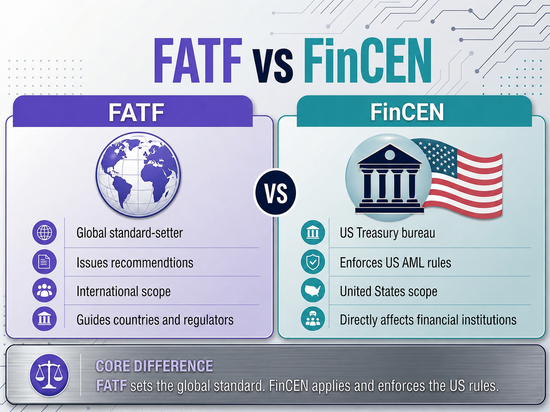
In the US, crypto transaction monitoring connects closely to AML and sanctions compliance. Certain crypto businesses may be treated as money transmitters under FinCEN rules. Depending on the facts, they may need AML programs, suspicious activity reporting, recordkeeping, and customer due diligence controls.
OFAC sanctions compliance is also important. Crypto firms may need to screen customers, wallets, counterparties, and geographic exposure. If a transaction involves a sanctioned person, entity, or wallet, the firm may need to act quickly.
However, crypto transaction monitoring is not easy. Blockchain addresses are visible, but the real-world owner may not be obvious. Monitoring systems may also create high alert volumes.
Cross-chain activity, bridges, mixers, privacy tools, and DeFi activity create additional issues. Therefore, monitoring rules and analyst training must keep improving.
A strong monitoring program should be risk-based. Teams should combine customer data with blockchain data, update rules regularly, train analysts with real scenarios, and document decisions clearly.
Skills Analysts Need for Crypto Transaction Monitoring
Crypto transaction monitoring analysts need both compliance and technical awareness. AML knowledge is the foundation, including money laundering stages, red flags, suspicious activity, customer risk, and escalation.
Blockchain literacy is also important. Analysts should understand wallets, addresses, token transfers, explorers, DeFi, bridges, and stablecoins.
Analytical thinking helps analysts connect customer behavior, wallet activity, risk indicators, and transaction history. Written communication is also key because analysts must write clear case notes and escalation summaries.
Sanctions awareness is especially important for US-facing teams. Finally, attention to detail matters because a small wallet link or timestamp can change the risk view.
FAQs About Crypto Transaction Monitoring
What is crypto transaction monitoring?
Crypto transaction monitoring is the process of reviewing digital asset activity to identify suspicious, unusual, or high-risk transactions.
Why is crypto transaction monitoring important?
It helps crypto businesses detect money laundering, fraud, sanctions exposure, scam proceeds, ransomware payments, and other financial crime risks.
Final CTA: Learn Crypto Transaction Monitoring
Crypto transaction monitoring is one of the most important skills in digital asset compliance. It helps firms detect risky activity, investigate alerts, protect customers, and meet AML and sanctions expectations.
If you want to understand how this works in real compliance teams, the Crypto Transaction Monitoring: How It Works and Why It Matters course can help.
This course is designed to help you build practical knowledge of AML monitoring, wallet risk, blockchain analytics, red flags, alert review, sanctions exposure, and suspicious activity escalation.
Enroll today and start building the skills needed for crypto AML, transaction monitoring, and blockchain risk compliance.