If you are interested in cryptocurrency, financial crime prevention, and investigation work, becoming a crypto compliance analyst can be a strong career path. This role sits at the center of digital assets, anti-money laundering, customer due diligence, sanctions screening, and transaction monitoring.
Many people search for how to become a crypto compliance analyst because they want a practical route into the industry. Some come from banking, fintech, fraud prevention, customer support, law enforcement, cybersecurity, or crypto operations. However, the same question comes up again and again: where should you start?
The good news is that you do not need to know everything on day one. Instead, you need to build the right foundation step by step. This guide explains what a crypto compliance analyst does, which skills matter, what training helps, and how to move toward your first role.
What Is a Crypto Compliance Analyst?
A crypto compliance analyst helps digital asset businesses manage financial crime risk. Their work may include reviewing customers, checking wallet activity, monitoring crypto transactions, investigating alerts, and escalating suspicious activity.
In a traditional bank, compliance analysts may review wire transfers, cash deposits, account behavior, or customer files. In crypto, analysts often review wallet addresses, blockchain activity, token transfers, stablecoin movement, exchange behavior, and exposure to high-risk services.
For example, a customer may deposit crypto from a wallet linked to a scam. Another customer may move funds through several wallets within minutes. Meanwhile, a third customer may try to send assets to a sanctioned wallet. A crypto compliance analyst helps review these risks and decide what should happen next.
Why Crypto Compliance Analysts Are in Demand
Digital assets have created new financial crime risks. Criminals may use crypto to move scam proceeds, ransomware payments, stolen funds, darknet revenue, or funds linked to sanctions evasion. As a result, crypto businesses need trained people who can detect and review risky activity.
In the United States, many crypto businesses also face anti-money laundering and sanctions expectations. Depending on the business model, a company may need AML controls, customer checks, suspicious activity reporting, recordkeeping, and monitoring systems.
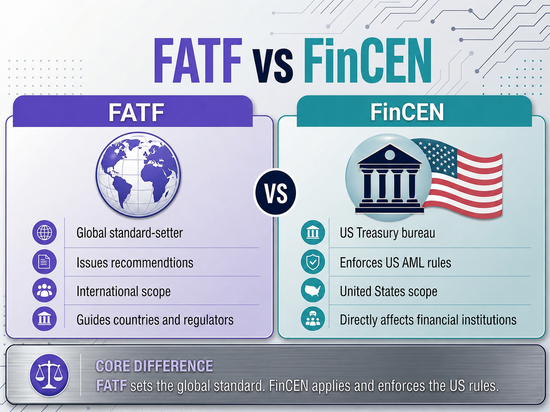
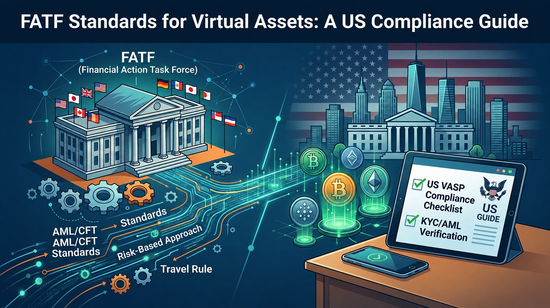
However, crypto compliance is not only a US issue. Digital assets move across borders, and global standards also matter. FATF has warned that virtual assets can create money laundering and terrorist financing risks when businesses and countries do not apply strong controls.
Because of this, crypto compliance analysts can work across exchanges, wallet providers, stablecoin issuers, fintech companies, payment firms, blockchain analytics vendors, compliance consultancies, and banks offering digital asset services.
What Does a Crypto Compliance Analyst Do?
A crypto compliance analyst may support several parts of a compliance program. The exact duties depend on the company, but most roles include KYC, AML, transaction monitoring, sanctions screening, and investigation work.
First, analysts may review customer onboarding files. This can include identity documents, business details, source of funds, source of wealth, expected activity, and risk ratings.
Next, they may monitor crypto transactions. This means checking deposits, withdrawals, wallet behavior, transaction size, velocity, and exposure to risky addresses or services.
They may also investigate AML alerts. For example, a monitoring system may flag a customer because funds came from a high-risk wallet. The analyst reviews the facts, checks blockchain data, writes case notes, and decides whether the alert can be closed or should be escalated.
In addition, analysts may screen customers and wallets for sanctions risk. This is especially important for US-linked businesses because OFAC sanctions can apply to virtual currency transactions.
Finally, analysts help maintain records. Good documentation is a major part of the job. A case note should explain what was reviewed, what risks were found, and why the analyst made a certain decision.
Step 1: Learn the Basics of AML and Financial Crime
The first step is to learn anti-money laundering basics. AML is the foundation of crypto compliance.
Start with the three common stages of money laundering: placement, layering, and integration. Then, learn how criminals may try to hide the source of illegal funds. In crypto, layering can involve moving funds through many wallets, assets, exchanges, bridges, or mixing services.
You should also understand customer due diligence, enhanced due diligence, suspicious activity, risk scoring, and escalation. These concepts appear in almost every compliance role.
For example, imagine a customer opens an account at a crypto exchange and receives large amounts of stablecoins from multiple unrelated wallets. Then, the customer withdraws everything to another wallet within one hour. This does not automatically prove crime, but it creates questions that an AML analyst may need to review.
Step 2: Understand How Crypto Transactions Work
After learning AML basics, you need to understand how crypto works. You do not need to be a developer, but you should understand the main concepts.
Start with wallets, addresses, private keys, public blockchains, transaction IDs, exchanges, stablecoins, tokens, and blockchain explorers. Then, learn the difference between on-chain and off-chain activity.
On-chain activity happens on a blockchain and can often be viewed through a public explorer. Off-chain activity happens inside a platform, such as transfers between users on an exchange.
You should also learn about DeFi, bridges, mixers, privacy coins, and peer-to-peer platforms. These areas can create special risks because funds may move quickly across services and jurisdictions.
For example, a fraud victim may send funds to a scam wallet. The funds may then move through a bridge, convert into another asset, and reach a centralized exchange. A crypto compliance analyst needs enough blockchain knowledge to understand this flow.
Step 3: Study KYC and Customer Risk Rating
KYC means Know Your Customer. It helps businesses understand who their customers are and whether they present higher risk.
A crypto compliance analyst may review a customer’s identity, location, occupation, expected activity, source of funds, and source of wealth. For business customers, the analyst may also review ownership, business model, websites, licensing, and beneficial owners.
Customer risk rating is also important. A customer may be low risk, medium risk, or high risk based on location, product use, transaction behavior, business type, or sanctions exposure.
For instance, a small retail investor buying $200 of Bitcoin each month may present a different risk than an offshore crypto broker moving millions in stablecoins. Therefore, analysts must connect customer information with actual activity.
Step 4: Learn Crypto Transaction Monitoring
Transaction monitoring is one of the most important skills for this role. It means reviewing activity to identify unusual, high-risk, or potentially suspicious behavior.
In crypto, monitoring may include deposits, withdrawals, wallet exposure, transaction velocity, asset swaps, stablecoin transfers, and interactions with high-risk services.
Alerts may be generated by rules or risk models. For example, an alert may trigger when a customer receives funds from a wallet linked to ransomware, darknet activity, scams, or sanctioned addresses.
However, alerts are not final answers. They are starting points. The analyst must review context, check customer behavior, understand the transaction flow, and decide what action is needed. This is where case-based practice becomes valuable.
CTA: Start Building Crypto Compliance Analyst Skills
If you want a structured route into this career, the How to Become a Crypto Compliance Analyst: Skills, Training and Career Steps course is designed to help you build the right foundation.
You will learn how crypto compliance teams think, what AML and KYC controls mean, how transaction monitoring works, and which red flags analysts review in real digital asset businesses.
Start learning today and build practical knowledge for crypto compliance, AML operations, transaction monitoring, and blockchain risk roles.
Step 5: Learn Crypto AML Red Flags
Crypto AML red flags are warning signs that activity may need deeper review. A red flag does not prove that a customer is doing something illegal. However, it tells the analyst to investigate further.
Common crypto red flags include rapid movement of funds, use of mixers, darknet exposure, transactions linked to scams, high-risk jurisdictions, sanctioned wallet exposure, and activity that does not match the customer profile.
For example, a new customer may receive a large crypto deposit from several wallets and withdraw the funds within minutes. Another customer may keep sending funds to wallets linked to fraud complaints. Meanwhile, a third customer may use multiple small transfers to avoid review thresholds.
In each case, the analyst must ask whether the activity makes sense based on the customer profile and available evidence.
Step 6: Learn Sanctions Screening and OFAC Basics
Sanctions screening is a key part of crypto compliance, especially for US-facing businesses. OFAC sanctions can apply to virtual currency transactions, just as they apply to traditional financial activity.
A crypto compliance analyst may screen names, entities, countries, and wallet addresses. They may also review whether a wallet has direct or indirect exposure to sanctioned activity.
For example, if a customer tries to withdraw funds to a wallet listed on a sanctions list, the case may need urgent escalation. If the exposure is indirect, the analyst may need to review how close the link is, how much value is involved, and what the company’s policy requires.
Because sanctions cases can carry serious risk, analysts need to follow internal procedures carefully.
Step 7: Practice Alert Investigation Scenarios
To become job-ready, you need to practice alert investigations. This means working through realistic cases and writing clear notes.
When reviewing an alert, ask: What triggered the alert? Who is the customer? What activity occurred? Does it match the customer profile? Are high-risk wallets or services involved? Is there a reasonable explanation? Should the alert be closed, escalated, or reviewed further?
For example, a fintech company may detect that a customer bought stablecoins and sent them to a wallet linked to fake investment platforms. The analyst may need to check the customer’s history, review wallet exposure, and write a clear summary for escalation.
Step 8: Build Transferable Skills
Many people move into crypto compliance from other fields. Banking, fraud prevention, customer support, cybersecurity, law enforcement, legal operations, fintech operations, and risk management can all provide useful experience.
If you worked in customer support at a crypto company, you may already understand user behavior, account issues, deposits, withdrawals, and platform workflows. However, you may need more AML training.
If you worked in bank AML, you may already understand alerts, suspicious activity, and case notes. However, you may need to learn blockchain basics.
If you worked in fraud prevention, you may understand scams and victim behavior. This can help when reviewing crypto investment scams, account takeovers, and mule activity.
Step 9: Apply for Entry-Level Roles
You may not need to start with the exact title “crypto compliance analyst.” Many related jobs can help you enter the field.
Good entry-level roles include KYC analyst, AML analyst, transaction monitoring analyst, fraud analyst, sanctions screening analyst, onboarding analyst, compliance operations analyst, and crypto operations associate.
Once you gain experience, you can move toward crypto compliance, blockchain investigations, sanctions compliance, or financial crime analyst roles.
When applying, use the right resume keywords. Include AML, KYC, CDD, EDD, transaction monitoring, wallet screening, blockchain analytics, sanctions screening, OFAC, FinCEN, suspicious activity, case investigation, and financial crime compliance.
Step 10: Build a Simple Learning Portfolio
A small portfolio can help you stand out, especially if you are new to the field. It does not need to be complicated.
You can create a one-page crypto AML red flag guide, write a mock alert investigation note based on a fictional scenario, or show a basic wallet tracing example using a public blockchain explorer.
For example, create a fictional case where a new customer receives funds from a high-risk wallet and withdraws them quickly. Then, write a short case note explaining the trigger, customer profile, risk indicators, and recommended next step.
This shows employers that you understand how analysts think. It also proves you can write clearly, which is one of the most important skills in compliance.
Tools Crypto Compliance Analysts Should Understand
Crypto compliance analysts use several types of tools. Blockchain explorers help you view transactions, wallet addresses, token transfers, timestamps, and transaction IDs.
Blockchain analytics platforms help identify wallet risk, trace funds, review exposure, and support investigations. KYC tools help verify identity documents, screen customers, and support onboarding decisions.
Sanctions and watchlist tools help screen names, entities, countries, and wallet addresses. Case management systems help track alerts, evidence, notes, decisions, escalations, and audit trails.
Spreadsheets also matter. Analysts often use Excel or Google Sheets to track cases, review patterns, and organize data.
Career Path and Salary Outlook
A crypto compliance career can start in several places. Early roles may include KYC analyst, AML analyst, transaction monitoring analyst, onboarding analyst, fraud analyst, or junior compliance analyst.
Mid-level roles may include crypto compliance analyst, senior AML analyst, sanctions analyst, blockchain investigations analyst, or financial crime analyst.
Senior roles may include compliance manager, investigations lead, BSA/AML officer, sanctions lead, regulatory compliance manager, or head of compliance.
Salary depends on location, employer, experience, seniority, tools, certifications, and whether the role is remote, hybrid, or office-based. However, the wider compliance field gives a useful benchmark. In the US, compliance officers had a median annual wage of $78,420 in May 2024, according to the Bureau of Labor Statistics.
Common Mistakes to Avoid
One common mistake is learning crypto but ignoring AML. Knowing how Bitcoin or Ethereum works is useful, but compliance teams also need financial crime knowledge.
Another mistake is learning AML but ignoring blockchain basics. Traditional AML skills are valuable, but crypto transactions work differently from bank transfers.
Some beginners also depend too much on certificates. Training helps, but employers also want practical thinking, clear writing, and good judgment.
Finally, many beginners apply only to crypto exchanges. Instead, also look at fintech firms, banks, payment companies, RegTech vendors, blockchain analytics firms, and compliance consultancies.
FAQs About How to Become a Crypto Compliance Analyst
How do I become a crypto compliance analyst?
Start by learning AML basics, crypto transaction flows, KYC, transaction monitoring, sanctions screening, red flags, and alert investigation. Then, build practical examples and apply for entry-level AML, KYC, fraud, transaction monitoring, or crypto operations roles.
Do I need a degree to become a crypto compliance analyst?
Not always. Some employers prefer a degree in finance, law, criminal justice, business, cybersecurity, or economics. However, many also value AML, fraud, KYC, fintech, risk, or crypto operations experience.
What should I learn first for crypto compliance?
Start with AML, KYC, customer due diligence, blockchain basics, wallet screening, transaction monitoring, sanctions basics, and crypto red flags.
Can I become a crypto compliance analyst without crypto experience?
Yes. Many people transition from banking, AML, fraud, cybersecurity, law enforcement, customer due diligence, or fintech operations. However, you will need to learn crypto-specific risks and tools.
Do crypto compliance analysts need coding skills?
Usually, entry-level roles do not require coding. However, comfort with data, blockchain explorers, spreadsheets, and compliance tools can help.
Final CTA: Start Your Crypto Compliance Analyst Career Path
Crypto compliance is becoming an important career area as digital asset businesses grow and financial crime risks become more complex. Companies need people who can understand AML, review transactions, screen wallets, investigate alerts, and document risk clearly.
If you want to build that foundation, the How to Become a Crypto Compliance Analyst: Skills, Training and Career Steps course can help.
This course is designed for learners who want practical knowledge of crypto AML, KYC, transaction monitoring, wallet screening, sanctions risk, red flags, and career steps.
Enroll today and start building the skills needed for crypto compliance analyst roles, AML operations, blockchain risk, and digital asset financial crime prevention.