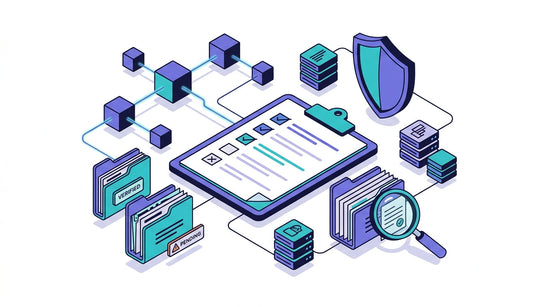
A blockchain explorer is one of the most useful tools in a crypto investigation. It gives compliance teams a direct view of on-chain activity, including wallet addresses, transaction hashes, token transfers, timestamps, fees, and smart contract interactions.
For a crypto compliance investigator, a blockchain explorer is often the first place to start. It helps you verify what happened, follow the movement of funds, and identify early signs of suspicious activity.
For the wider investigation framework, read our pillar guide on blockchain forensics basics for compliance investigations. It explains how wallet tracing, transaction analysis, suspicious patterns, and evidence documentation fit together.
The key benefit is access. Most blockchain explorers are free and public. Anyone can use them to search blockchain data. However, using them properly requires more than copying a transaction hash into a search bar. You need to know what to look for, how to read the results, and how to connect the information to a wider investigation.
What Is a Blockchain Explorer?
A blockchain explorer is a search engine for blockchain data. It allows users to search for wallet addresses, transaction hashes, blocks, tokens, and smart contracts.
Each blockchain usually has its own explorer. For example, Etherscan is widely used for Ethereum. Blockchain.com Explorer is commonly used for Bitcoin. Solscan is used for Solana. BscScan is used for BNB Smart Chain.
A blockchain explorer does not identify every person behind a wallet. Instead, it shows public transaction data. This data can still be extremely valuable because it helps investigators follow the trail of funds and spot patterns that may indicate fraud, sanctions exposure, money laundering, or other financial crime risks.
What Can You Find on a Blockchain Explorer?
A blockchain explorer can show several types of information.
A wallet address page shows the transaction history of a wallet. You can review incoming transactions, outgoing transactions, token balances, contract interactions, and sometimes labels linked to known entities.
A transaction page shows the details of one specific transaction. This usually includes the sending address, receiving address, amount, time, network fee, gas fee, transaction status, and transaction hash.
A token page shows information about a crypto asset. This may include total supply, holders, transfer activity, contract address, and recent transactions.
A smart contract page shows contract activity. This is especially useful for DeFi investigations because many transactions involve decentralized exchanges, lending platforms, bridges, and liquidity pools.
Start With the Transaction Hash
Most investigations begin with a transaction hash. A transaction hash, also called a txid, is the unique reference for a specific blockchain transaction.
In a compliance setting, you may get the transaction hash from your internal exchange system, transaction monitoring alert, customer activity log, blockchain analytics tool, or law enforcement request.
Once you have the hash, paste it into the search bar of the correct blockchain explorer. Make sure you are using the right explorer for the right network. For example, an Ethereum transaction should be checked on Etherscan, while a Solana transaction should be checked on Solscan.
After searching the hash, the explorer will show the full transaction details.
Read the Transaction Details Carefully
The transaction detail page gives you the basic facts of the transaction. This is where you confirm what actually happened on-chain.
The “From” field shows the wallet that sent the crypto. The “To” field shows the wallet that received it. The value shows how much crypto was transferred. The timestamp shows when it happened. The transaction fee shows how much was paid to process the transaction.
For Ethereum and similar networks, you may also see gas price, gas limit, contract interaction details, token transfer tabs, and internal transactions. These details matter because not every transaction is a simple transfer from one wallet to another. Some transactions involve smart contracts, swaps, staking, bridges, or DeFi protocols.
A common beginner mistake is reading only the main transaction summary. In many cases, the important information is found in token transfers, internal transactions, or contract logs.
Review the Sending Wallet
After checking the transaction, click on the sending wallet address. This allows you to view the wallet’s wider activity.
For compliance teams, the sending wallet can reveal useful risk indicators. You should check whether the wallet is new or old, whether it has a long transaction history, where it received funds from, and whether it has interacted with high-risk services.
A newly created wallet that suddenly sends a large amount of crypto may require closer review. This does not automatically prove wrongdoing, but it can be a red flag when combined with other indicators.
You should also review incoming transactions. Where did the funds come from before they reached this wallet? Were they received from an exchange, another private wallet, a DeFi protocol, a bridge, a mixer, or a known scam-related address?
This helps you understand source of funds risk.
Review the Receiving Wallet
Next, click on the receiving wallet address. This helps you understand where the funds went after the transaction.
The receiving wallet may be a private wallet, exchange deposit address, smart contract, DeFi protocol, bridge, marketplace, or service wallet. Some explorers label known addresses. For example, you may see labels for exchanges, DeFi platforms, token contracts, or public entities.
Labels can be helpful, but they should not be treated as the full answer. A label gives context, but the investigator should still review the activity and document the evidence.
Look at the receiving wallet’s history. Does it receive funds from many unrelated wallets? Does it quickly send funds onward? Does it interact with mixers, bridges, gambling platforms, scam wallets, or sanctioned entities? Does it appear to collect funds and then consolidate them into another wallet?
These patterns can help identify whether the wallet may be part of a layering, fraud, or money laundering network.
Follow the Flow of Funds
Following the trail is the heart of blockchain investigation. If the receiving wallet sends the funds onward, you can continue tracing the movement.
Open the outgoing transaction from the receiving wallet, review the next destination, and repeat the process. Over time, you can build a picture of how the funds moved.
For example, funds may move from a customer wallet to a private wallet, then to several new wallets, then to a decentralized exchange, then through a bridge, and finally to a centralized exchange.
This type of movement may indicate layering, especially if funds are moved quickly and without a clear business purpose. However, investigators should avoid making assumptions too early. The goal is to gather evidence, identify risk indicators, and assess the full pattern.
Look for Suspicious Patterns
A blockchain explorer becomes more useful when you know what patterns to look for.
Repeated transfers between the same wallets may suggest a relationship. Rapid movement through several wallets may suggest layering. Multiple deposits into one wallet followed by one large outgoing transfer may suggest consolidation. Interaction with mixers may suggest an attempt to hide the source or destination of funds.
Other red flags include newly created wallets moving large values, funds connected to known hacks or scams, frequent use of bridges, circular transfers, unusual timing, and activity that does not match the customer’s profile.
In compliance investigations, no single red flag should be viewed in isolation. Strong conclusions come from a combination of transaction history, customer information, wallet risk, source of funds, and behavior.
To understand the laundering patterns behind many of these red flags, read common crypto money laundering techniques and how to spot them.
Use Explorer Tags and Labels Carefully
Many blockchain explorers include tags or labels for well-known addresses. These labels may identify exchanges, DeFi protocols, token contracts, bridges, public wallets, or suspicious addresses.
Tags can save time because they provide quick context. For example, if a destination wallet is labeled as a major exchange, that tells you the funds may have moved to a platform with customer account records.
However, labels are not perfect. They may be incomplete, outdated, or missing. Compliance teams should use labels as supporting information, not final proof.
Professional blockchain analytics tools are often needed for deeper risk scoring, clustering, sanctions exposure, and wallet attribution.
For a comparison of investigation platforms and key tool features, read top blockchain forensics tools for compliance analysts.
Real-World Scenario: A Quick Investigation
A compliance analyst receives an alert for a customer deposit of 15,000 USDT. The transaction appears unusual because the customer account is new and has limited activity history.
The analyst copies the transaction hash from the internal system and searches it on Etherscan. The transaction page shows the sending wallet, receiving wallet, timestamp, amount, and token transfer details.
The analyst clicks on the sending wallet. The wallet was created recently and received several USDT transfers within a short period. The funds were then sent to the customer’s deposit address.
The analyst reviews the earlier incoming transactions and sees that the funds came from several unrelated wallets. One of those wallets has interacted with a mixer. Another has received funds from an address linked to a reported scam.
The analyst then checks the outgoing pattern from the related wallet cluster. Most of the funds are quickly moved to another wallet and then routed through a mixing service.
This pattern suggests possible layering. The analyst documents the transaction hashes, wallet addresses, timeline, risk indicators, and screenshots. The case is escalated for internal review, and the business considers whether suspicious activity reporting or account restrictions are required.

Common Mistakes to Avoid
One common mistake is using the wrong explorer for the wrong blockchain. Always confirm the network before starting.
Another mistake is only checking the transaction summary. Important clues may appear in token transfers, internal transactions, smart contract interactions, or linked wallet activity.
Some investigators also stop too early. A single transaction may not show the full risk. The wider movement of funds often tells a clearer story.
Finally, poor documentation can weaken an investigation. Always record transaction hashes, wallet addresses, timestamps, screenshots, risk notes, and your reasoning.
Build Blockchain Explorer and Forensics Skills
A blockchain explorer is a powerful starting point, but strong investigations require more than checking a transaction hash. Analysts need to understand wallet behavior, fund flows, suspicious patterns, and evidence documentation.
The Blockchain Forensics Basics for Compliance Investigations course helps learners build practical skills in blockchain explorers, wallet tracing, transaction review, risk indicators, and compliance investigation workflows.
Explore the course today and start building practical blockchain forensics skills.
FAQs
What is a blockchain explorer?
A blockchain explorer is a public tool that lets users search and view blockchain data, including transactions, wallet addresses, token transfers, blocks, and smart contracts.
What is a transaction hash?
A transaction hash is the unique identifier for a blockchain transaction. It allows investigators to find and verify the details of a specific transaction.
What can I see on a wallet address page?
You can usually see incoming transactions, outgoing transactions, token transfers, wallet balances, contract interactions, and sometimes labels linked to known entities.
Is Etherscan only for Ethereum?
Etherscan is mainly used for the Ethereum blockchain and Ethereum-based tokens. Other blockchains have their own explorers, such as Solscan for Solana and BscScan for BNB Smart Chain.
Are blockchain explorers enough for compliance investigations?
Blockchain explorers are useful for basic review and transaction tracing. However, professional compliance investigations often require blockchain analytics tools, customer data, risk scoring, and proper case documentation.