Enhanced due diligence in crypto is now a core skill for compliance teams. Crypto businesses deal with fast transactions, global customers, wallet addresses, blockchain data, and financial crime risks that can move quickly. As a result, a basic customer check is not always enough.
Enhanced due diligence crypto reviews help firms look deeper at high-risk customers. These reviews can include source of funds checks, source of wealth reviews, wallet screening, sanctions checks, adverse media searches, and ongoing monitoring.
For crypto exchanges, fintech companies, wallet providers, and virtual asset service providers, EDD is not just a compliance task. It is a risk control that helps teams decide whether to approve, monitor, restrict, escalate, or exit a customer relationship.
This guide explains what enhanced due diligence means in crypto, when it is needed, what teams should check, and how compliance analysts can apply it in real situations.
What Is Enhanced Due Diligence in Crypto?
Enhanced due diligence, often called EDD, is a deeper review process used for higher-risk customers or activity. In crypto, this means going beyond standard identity checks and asking more detailed questions about the customer, their funds, their wallet activity, and their risk profile.
Standard customer due diligence may confirm who the customer is. However, EDD asks a bigger question: does this customer’s activity make sense, and does it create higher AML, fraud, or sanctions risk?
For example, a customer may pass ID verification but later deposit a large amount of stablecoins from wallets linked to risky services. In that case, the compliance team may need to review where the funds came from, whether the customer can explain the activity, and whether the wallet history raises concern.
In simple terms, enhanced due diligence in crypto is the process of collecting more information, reviewing more evidence, and applying stronger judgment when risk is higher than normal.
Why Enhanced Due Diligence Matters in Crypto
Crypto creates unique compliance challenges. Transactions can move across borders in minutes. Customers may use self-hosted wallets, exchanges, bridges, mixers, DeFi protocols, and stablecoins. Therefore, compliance teams need to understand both the customer and the movement of funds.
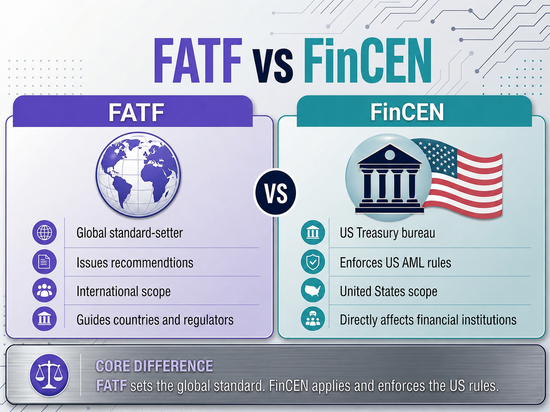
In the US, many crypto businesses may fall under FinCEN rules if they operate as money transmitters or money services businesses. These businesses may need AML programs, reporting procedures, recordkeeping, and suspicious activity monitoring. Because of this, EDD becomes an important part of a risk-based compliance program.
Crypto-related fraud has also become a major concern. The FBI reported that victims of cryptocurrency investment fraud reported more than $6.5 billion in losses in 2024. This shows why crypto firms need strong controls for suspicious deposits, unusual customer behavior, and risky wallet activity.
EDD helps compliance teams slow down and ask the right questions before risk becomes a bigger problem. It also helps protect the firm, its customers, banking partners, and the wider financial system.Finally, EDD should not end after approval. High-risk customers
CDD vs EDD in Crypto: What Is the Difference?

Customer due diligence, or CDD, is the normal process of understanding a customer. It may include identity verification, address checks, customer risk scoring, and basic information about the purpose of the account.
Enhanced due diligence is used when the customer or activity presents higher risk. Therefore, EDD is more detailed, more evidence-based, and often requires more senior review.
A simple way to compare them is this:
CDD checks who the customer is.
EDD checks whether the customer’s identity, funds, behavior, and activity make sense for the level of risk.
For example, a retail customer who buys a small amount of Bitcoin using a verified bank account may only need standard checks. However, a customer who deposits $300,000 in stablecoins from several unknown wallets may need EDD.
In crypto, EDD often includes wallet screening, transaction history review, source of funds checks, adverse media searches, and deeper documentation.
CTA: Need to Move Beyond Basic KYC Checks?
Our Enhanced Due Diligence EDD For High Risk Crypto Customers course helps compliance teams understand when EDD is needed, what evidence to collect, and how to document high-risk customer reviews with confidence.
When Is Enhanced Due Diligence Required in Crypto?
EDD is usually required when a customer, wallet, transaction, or business relationship creates higher risk. This can happen during onboarding, ongoing monitoring, transaction review, sanctions screening, or periodic customer review.
For instance, a customer may appear normal during onboarding but later send funds to a high-risk exchange. In another case, a business customer may claim to be a crypto payments provider but fail to provide clear ownership details or licensing information.
Compliance teams may apply enhanced due diligence when they see:
High transaction volume
Unclear source of funds
Exposure to high-risk wallets
Links to high-risk jurisdictions
Sanctions or adverse media concerns
Politically exposed person status
Complex business ownership
Use of mixers, bridges, or privacy tools
Activity that does not match the customer profile
However, EDD should not be automatic for every customer. It should be based on risk. A strong compliance team knows when normal due diligence is enough and when deeper review is required.
Who Counts as a High-Risk Crypto Customer?
A high-risk crypto customer is not always a criminal or suspicious actor. Instead, the customer has risk factors that require more review.
For individual customers, risk factors may include unexplained wealth, high-value deposits, unusual wallet behavior, links to high-risk locations, or inconsistent explanations. A customer who claims to be a student but deposits $150,000 in stablecoins may need additional review.
For business customers, risk may come from the business model. OTC desks, crypto brokers, DeFi projects, NFT marketplaces, payment processors, gambling-related businesses, and mining companies can carry different levels of risk. As a result, compliance teams may need to understand licensing, ownership, customer base, transaction flows, and source of revenue.
Politically exposed persons may also require EDD. This does not mean they are guilty of wrongdoing. However, because of corruption and bribery risks, firms often review their source of wealth, public profile, close associates, and expected account activity more carefully.
Customers connected to high-risk jurisdictions may also need enhanced review. This can include locations linked to sanctions, weak AActivity that does not match the customer profile ML controls, fraud networks, or cybercrime risk.
Key Risk Factors That Trigger Crypto EDD
Crypto EDD usually starts with a risk trigger. The trigger tells the analyst why a deeper review is needed.
One common trigger is customer risk. This may include the customer’s occupation, business activity, ownership structure, PEP status, adverse media, or inability to explain funds.
Another trigger is geographic risk. For example, the customer may live in one country, log in from another, and receive funds from wallets linked to a high-risk region. While this does not prove wrongdoing, it does require review.
Product risk can also matter. High-limit accounts, OTC trading, stablecoin transfers, DeFi access, institutional accounts, and cross-chain activity may create higher exposure.
Transaction and wallet risk are especially important in crypto. A wallet may show links to scams, darknet markets, ransomware, mixers, sanctioned entities, or high-risk exchanges. In addition, rapid movement of funds across several wallets may suggest layering.
Behavioral risk is another warning sign. A customer who refuses documents, gives inconsistent answers, uses several accounts, or pressures staff to release funds quickly may need enhanced due diligence.
What Information Should Crypto Firms Collect During EDD?
EDD is not just about collecting more documents. It is about collecting the right evidence for the risk.
For an individual customer, teams may collect identity information, proof of address, occupation, expected activity, source of funds, source of wealth, and wallet ownership evidence.
For a business customer, teams may collect company registration documents, ownership charts, beneficial ownership information, director details, licensing status, business model descriptions, expected transaction volume, and customer types.
Source of funds and source of wealth are especially important.
Source of funds means where the specific funds came from. For example, a customer may say a deposit came from salary savings, crypto trading profits, a business sale, mining income, or a previous exchange account.
Source of wealth means how the customer built their overall wealth. For example, it may come from employment, business ownership, inheritance, property sale, investment returns, or long-term crypto holdings.
In crypto, teams may also review blockchain data. This can include wallet history, incoming and outgoing transactions, counterparty exposure, links to risky entities, and movement across chains.
Additionally, adverse media searches can help identify fraud claims, lawsuits, enforcement actions, scam reports, or public concerns.
How to Perform Enhanced Due Diligence in Crypto
A good EDD process should be clear, consistent, and documented. Although every firm may have its own workflow, most crypto EDD reviews follow several core steps.
Step 1: Identify the Risk Trigger
First, the analyst should identify why EDD is needed. Was there a wallet alert? Did transaction monitoring flag unusual behavior? Did sanctions screening create a possible match? Did the customer provide unclear information?
This step matters because the risk trigger shapes the rest of the review.
Step 2: Build the Customer Risk Profile
Next, the team should review the customer’s profile. This includes identity, location, occupation or business model, expected activity, products used, wallet behavior, and previous account history.
For business customers, this step may also include beneficial ownership and licensing checks.
Step 3: Request Additional Information
Then, the team may ask the customer for supporting evidence. This may include bank statements, exchange statements, tax records, payslips, business invoices, sale agreements, mining records, or wallet ownership proof.
However, teams should ask for information that matches the risk. Asking for random documents creates friction and may not improve the review.
Step 4: Review On-Chain Risk
In crypto, on-chain activity can reveal risk that normal KYC cannot. Analysts may review wallet screening results, transaction flows, counterparties, exposure to risky services, and source or destination of funds.
For example, if funds came through several wallets before reaching the platform, the team may need to understand whether this is normal user behavior or a layering concern.
Step 5: Review Off-Chain Risk
Off-chain review includes KYC data, sanctions screening, adverse media, customer communications, device data, IP information, company documents, and account history.
This step helps analysts connect real-world identity with blockchain behavior.
Step 6: Document the Decision
Strong documentation is critical. The analyst should record the risk trigger, evidence reviewed, findings, customer explanation, blockchain analysis, limitations, escalation, and final decision.
Good documentation shows why the decision was reasonable. Poor documentation makes the review hard to defend later.
Step 7: Decide the Outcome
After EDD, the firm may approve the customer, approve with enhanced monitoring, request more information, restrict activity, escalate to compliance leadership, file a SAR if appropriate, or exit the relationship.
Step 8: Continue Monitoring
Finally, EDD should not end after approval. High-risk customers need ongoing monitoring to check whether future activity matches the customer’s profile.

CTA: Want a Practical Crypto EDD Workflow?
Learn how to review source of funds, source of wealth, wallet activity, sanctions risk, and high-risk customer behavior in our Enhanced Due Diligence EDD For High Risk Crypto Customers course.
Practical Crypto EDD Scenarios
Scenario 1: High-Value Stablecoin Deposit
A customer opens an account and deposits $250,000 in USDC within two days. The customer says the money came from trading profits. However, they cannot provide exchange statements or tax records.
In this case, the compliance team may request proof of trading activity, source of funds evidence, and wallet ownership information. The team may also review whether the funds came from known exchanges, unknown wallets, mixers, or risky services.
If the customer provides clear records, the risk may be managed. However, if the customer refuses or gives inconsistent answers, the case may need escalation.
Scenario 2: Mixer Exposure
A wallet deposits funds into a crypto exchange. Blockchain analytics shows indirect exposure to a mixer before the funds reached the exchange.
This does not always mean the customer committed a crime. However, it does create risk. The analyst should review the level of exposure, timing, transaction path, customer explanation, and any other risk factors.
If the exposure is close, recent, and unexplained, the firm may restrict activity or escalate the case.
Scenario 3: Complex Business Customer
A crypto brokerage applies for an institutional account. The company is owned by two holding companies in different countries, and the directors are difficult to verify.
Here, EDD may include beneficial ownership checks, corporate documents, licensing review, adverse media, source of wealth, expected transaction activity, and business model analysis.
Because ownership is complex, senior compliance review may also be needed.
Scenario 4: Possible Sanctions Exposure
A customer’s wallet has exposure to a wallet linked to a sanctioned entity. In this case, the compliance team should follow its sanctions escalation process quickly.
The team may need to review the screening result, confirm whether it is a true match, restrict movement where required, and document the outcome. Since OFAC sanctions can create serious legal risk for US persons and firms, these cases require careful handling.
Common EDD Red Flags in Crypto
Compliance teams should watch for customer, transaction, wallet, and business red flags.
Customer behavior red flags include refusal to provide documents, inconsistent explanations, multiple failed verification attempts, rushed withdrawal requests, or use of several accounts without a clear reason.
Transaction red flags include rapid in-and-out movement, large deposits from unknown sources, multiple small deposits followed by one large withdrawal, unusual stablecoin flows, or movement across several chains.
Wallet risk red flags include exposure to mixers, darknet markets, scam wallets, ransomware, sanctioned addresses, high-risk exchanges, or fraud-related clusters.
Business red flags include unclear ownership, no visible business activity, missing licenses, poor website presence, shell company structures, or transaction activity that does not match the stated business model.
However, a red flag is not always proof of suspicious activity. It is a signal that the team should review the case more carefully.
Mistakes Compliance Teams Should Avoid
One major mistake is treating EDD as a box-ticking task. EDD is not just a form. It requires judgment. Analysts must connect the evidence to the risk.
Another mistake is ignoring on-chain data. In crypto, wallet behavior may show risks that identity checks do not reveal. Therefore, teams should combine KYC data with blockchain analytics.
Poor documentation is also a common problem. If a regulator, auditor, or banking partner asks why a high-risk customer was approved, the firm should be able to show the evidence and reasoning.
Teams should also avoid over-relying on risk scores. A wallet risk score can help, but it should not replace analyst review. Context matters.
Finally, firms should avoid treating EDD as a one-time review. Customer risk can change. Because of this, high-risk customers should be monitored over time.
How EDD Supports AML, Sanctions, and SAR Decisions
EDD supports AML compliance by giving teams more context before making decisions. When analysts understand the customer, funds, wallet activity, and transaction purpose, they can better decide whether activity is expected or unusual.
EDD also supports sanctions compliance. OFAC has issued guidance for the virtual currency industry that highlights the importance of sanctions controls, screening, escalation, and training. For crypto firms, this means customer data, wallet information, IP data, and transaction monitoring can all matter.
EDD can also support SAR decisions. If a customer gives inconsistent explanations, uses risky wallets, or moves funds in a way that suggests laundering, the EDD file may help the firm decide whether suspicious activity reporting is appropriate.
In short, EDD creates a stronger record. It helps the team show what happened, what was reviewed, and why the final decision was made.
Best Practices for Crypto Compliance Teams
Crypto compliance teams should use a risk-based approach. Not every customer needs the same level of review. However, higher-risk customers need deeper checks.
Teams should combine KYC, blockchain analytics, sanctions screening, adverse media review, and human judgment. Each source of information tells part of the story.
Clear escalation rules are also important. Analysts should know when to escalate, who reviews the case, what evidence is needed, and what outcomes are available.
Training is another key control. Crypto EDD requires knowledge of AML, KYC, sanctions, wallets, blockchain analytics, DeFi, stablecoins, mixers, and transaction monitoring. Without training, analysts may miss risks or apply rules inconsistently.
Moreover, firms should keep EDD procedures updated. Crypto typologies change quickly, and criminals adapt their methods. As a result, old procedures may not cover new risks.
How Training Helps Teams Apply EDD Properly
Enhanced due diligence requires more than basic KYC knowledge. A compliance analyst must know how to review documents, assess source of funds, understand wallet exposure, question customer explanations, and document decisions.
Training helps teams apply a consistent framework. This reduces confusion and improves review quality across onboarding, monitoring, investigations, and escalation teams.
For example, one analyst may see mixer exposure and immediately reject the customer. Another may ignore it. A trained team is more likely to review the exposure level, timing, customer explanation, transaction path, and other risk indicators before making a decision.
This is especially important for growing crypto firms. As customer numbers increase, firms need repeatable processes that junior and senior analysts can both follow.
FAQs About Enhanced Due Diligence in Crypto
What is enhanced due diligence in crypto?
Enhanced due diligence in crypto is a deeper review process for high-risk customers, wallets, transactions, or business relationships. It may include source of funds checks, source of wealth review, sanctions screening, adverse media searches, wallet screening, and ongoing monitoring.
When should a crypto firm apply EDD?
A crypto firm should apply EDD when customer risk is higher than normal. This may happen because of high transaction volume, unclear source of funds, high-risk wallet exposure, sanctions concerns, adverse media, PEP status, or activity that does not match the customer profile.
What is the difference between CDD and EDD in crypto?
CDD is the standard customer review process. EDD is a deeper review used for higher-risk customers or activity. EDD usually requires more evidence, stronger analysis, and better documentation.
Who is a high-risk crypto customer?
A high-risk crypto customer may be an individual with unclear funds, a politically exposed person, a business with complex ownership, a customer linked to high-risk jurisdictions, or a user whose wallet activity shows exposure to risky services.
What documents are needed for crypto EDD?
Documents may include identity documents, proof of address, bank statements, tax records, exchange statements, wallet transaction records, business registration documents, beneficial ownership details, invoices, payslips, or source of wealth evidence.
Does EDD always mean rejecting the customer?
No. EDD does not automatically mean rejection. It helps compliance teams understand risk and decide whether to approve, monitor, restrict, escalate, or exit the relationship.
How does blockchain analytics support EDD?
Blockchain analytics helps teams review wallet history, counterparty exposure, transaction flows, links to risky services, and unusual on-chain behavior. However, analysts should use it with human judgment.
Is enhanced due diligence required for US crypto firms?
Some US crypto businesses may have AML obligations under FinCEN rules if they operate as money transmitters or money services businesses. EDD is part of a risk-based approach to managing higher-risk customers and activity. Specific obligations depend on the business model and regulatory status.
Final Thoughts
Enhanced due diligence crypto reviews are essential for firms that serve higher-risk customers or handle complex digital asset activity. Basic identity checks may confirm who a customer is, but they may not explain where funds came from, why activity is happening, or whether wallet behavior creates risk.
For compliance teams, EDD brings structure to difficult decisions. It helps analysts review customer information, blockchain data, source of funds, source of wealth, sanctions concerns, adverse media, and transaction behavior.
As a result, EDD helps crypto firms make better decisions, improve documentation, support AML controls, and manage risk more confidently.
Build Stronger EDD Skills for High-Risk Crypto Customers

High-risk customer reviews require more than basic KYC. Compliance teams need to understand customer risk, wallet exposure, source of funds, sanctions concerns, documentation standards, and ongoing monitoring.
The Enhanced Due Diligence EDD For High Risk Crypto Customers course is designed for compliance analysts, onboarding teams, AML professionals, crypto exchanges, fintech firms, and digital asset businesses that need practical EDD skills.
Enroll today to learn how to identify high-risk crypto customers, perform deeper due diligence checks, document EDD decisions, and support stronger AML compliance controls.